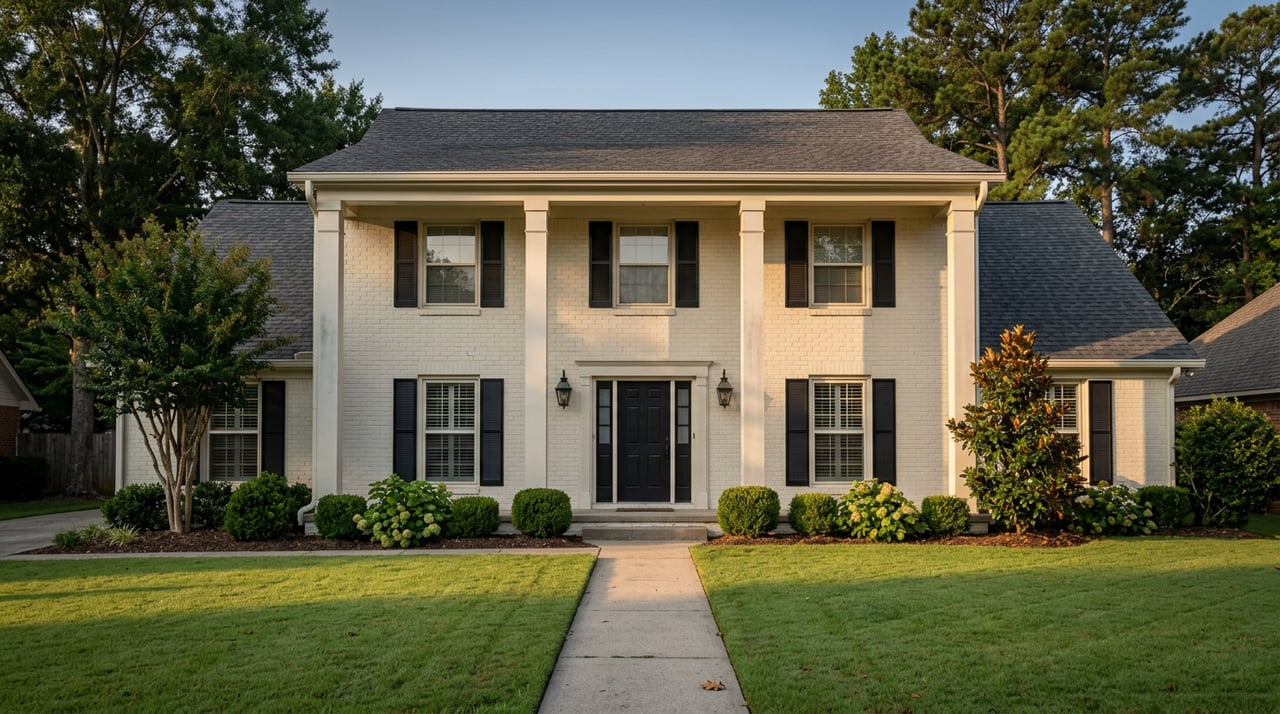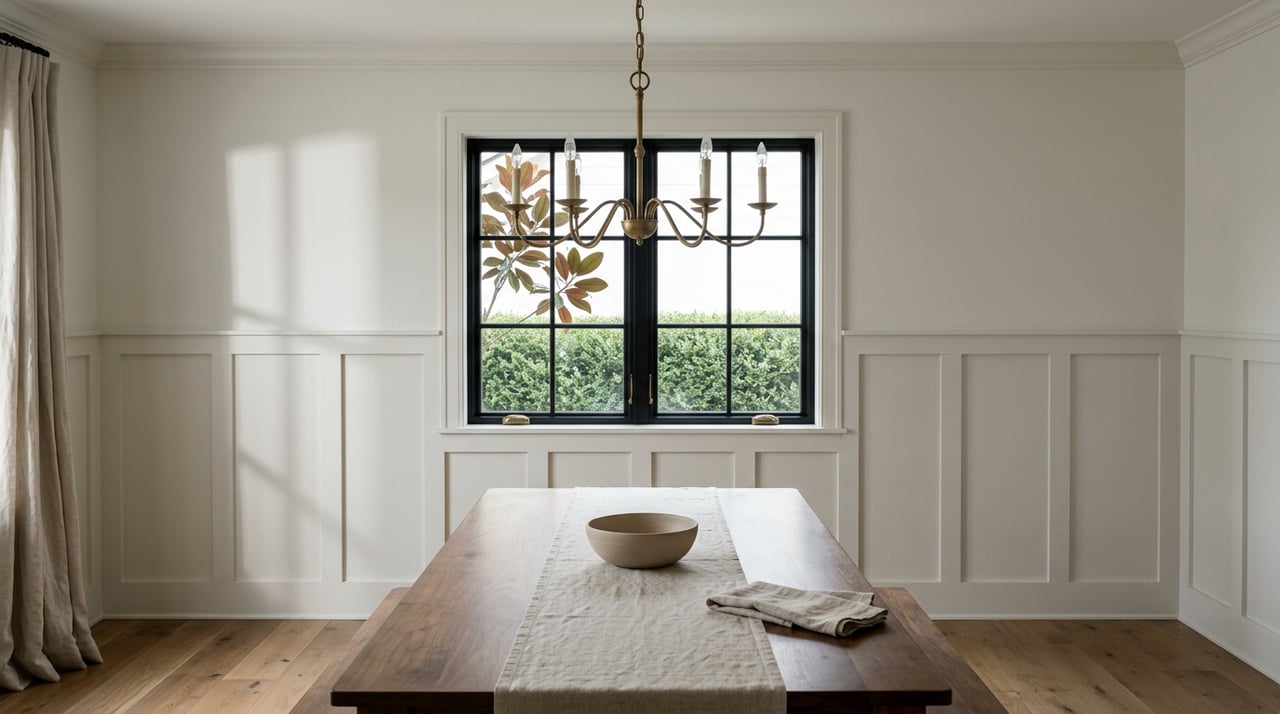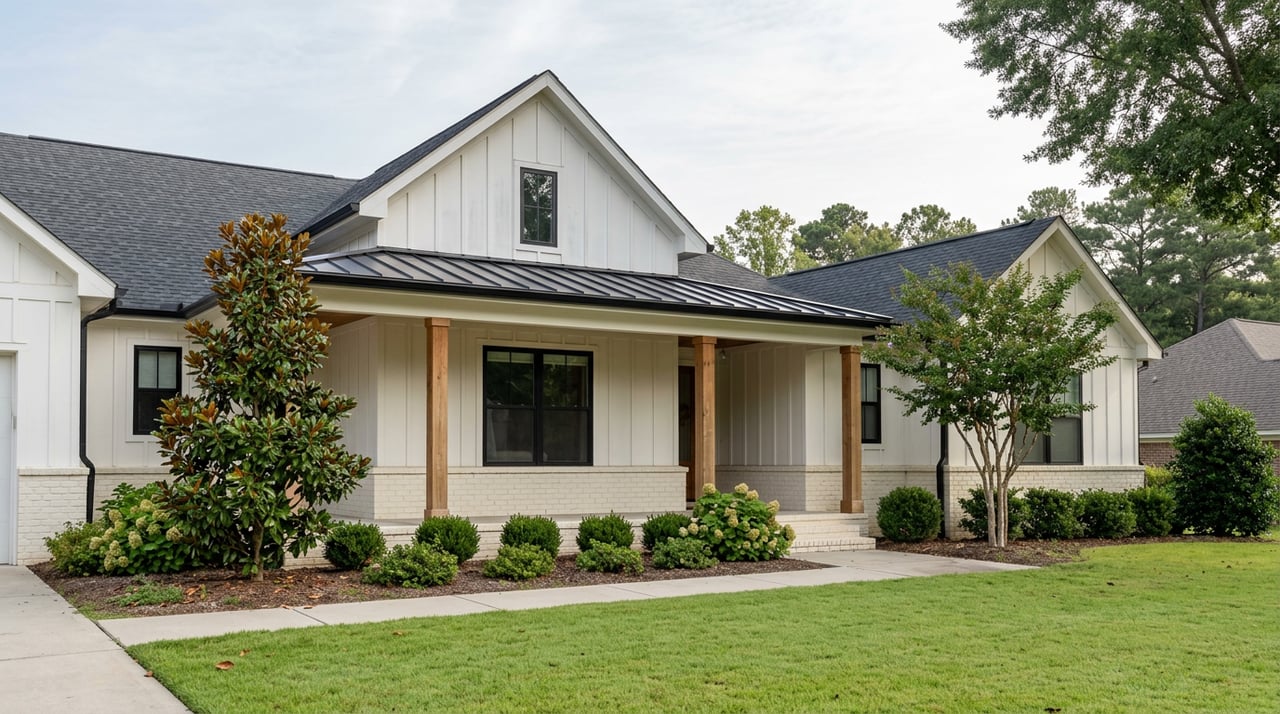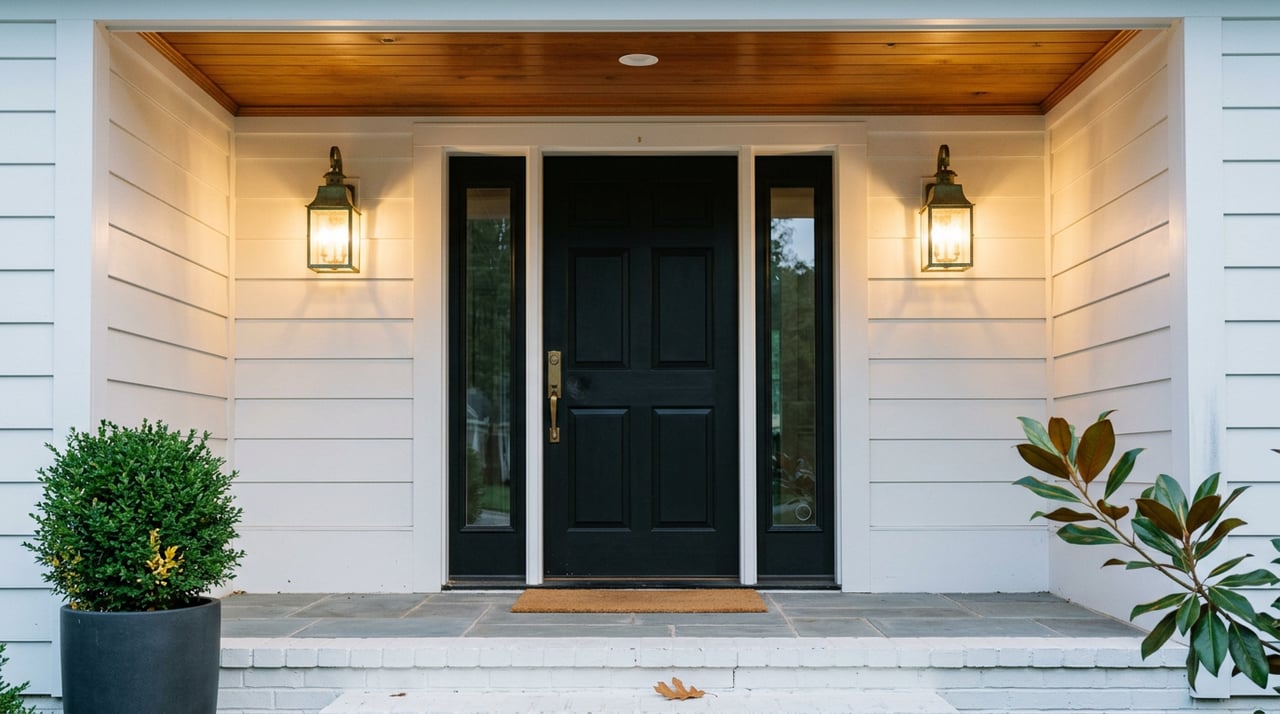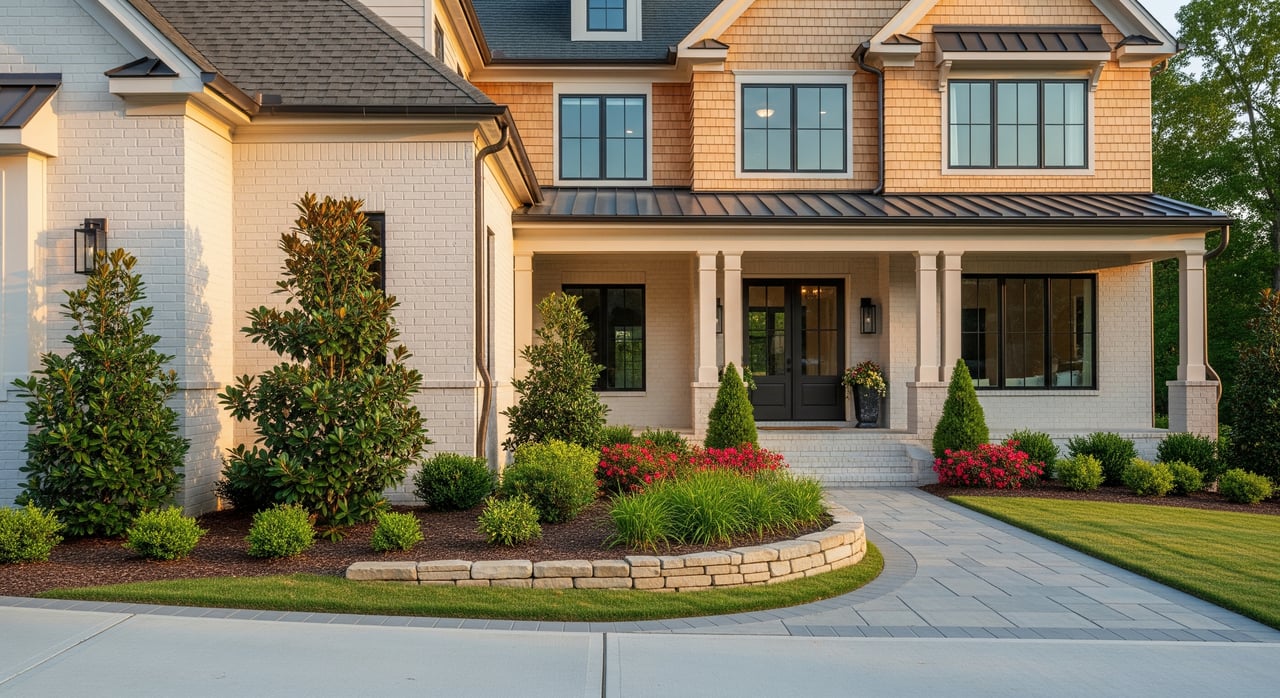
Eyeing a brand-new home in Holly Springs, NC but unsure where to start? You are not alone. New construction offers fresh design, modern systems, and low maintenance, yet the process can feel complex if you have not built before. In this guide, you will learn how the local new-build process works, realistic timelines, what deposits and incentives to expect, and which design choices best protect your resale value. Let’s dive in.
Why build in Holly Springs
Holly Springs is a growing Wake County suburb within the Raleigh metro. You will find a steady pipeline of production and semi-custom homes that serve move-up buyers and relocators. Options include master-planned communities with amenities, smaller-lot single-family, and townhomes from national and regional builders.
You can choose from spec homes that are ready or near-ready, to-be-built homes where you pick a plan and finishes, and semi-custom or custom builds on larger lots. Many neighborhoods include HOAs with design guidelines and fees, so factor those into your decision.
Know your builder and product choices
Production and semi-custom
National builders active in the Raleigh metro, including in and around Holly Springs, commonly include D.R. Horton, Lennar, Pulte, KB Home, Meritage, and Taylor Morrison. Production builders offer standardized plans, predictable timelines, and defined option packages. Semi-custom and custom builders allow more flexibility, but costs and timelines typically run higher and longer.
Spec vs to-be-built
Spec homes are built without a specific buyer and can offer quick move-in with fewer decisions. To-be-built homes let you choose a lot, plan, and design selections. Expect about 4 to 9 months from contract to completion with a production builder, depending on weather, supply chains, site work, and permitting.
Master-planned amenities and HOAs
Many new communities include pools, trails, and community centers plus an HOA that manages common areas and sets exterior standards. HOA fees, covenants, and approval processes vary by neighborhood. Review the governing documents and fee schedule early so there are no surprises.
Your step-by-step path
- Research and tour
- Shortlist communities based on commute routes, neighborhood style, and lot types. Visit model homes to compare base plans and elevation options.
- Select a lot or spec home
- Reserve or contract on your preferred lot or a spec home. Review the builder’s purchase agreement in detail for pricing, lot premiums, and timelines.
- Secure financing and deposits
- Make any reservation and earnest deposits per the contract, then finalize your lender strategy. If incentives are tied to a builder’s lender, compare total costs and benefits carefully.
- Design center selections
- Choose structural options and finishes at the design center. Get deadlines, payment due dates, and change-order rules in writing.
- Construction and check-ins
- The builder handles permitting and schedules municipal inspections. You will receive progress updates and may have milestone walkthroughs depending on the builder.
- Pre-closing walkthrough and CO
- Before closing, complete a detailed walkthrough and note punch-list items. The town or county issues a Certificate of Occupancy that is required before move-in.
- Close and warranty support
- Close on the home and begin the builder warranty period. Keep documentation and submit service requests per the warranty process.
How long your build may take
- Spec homes: Immediate to a few months, depending on remaining finish work.
- To-be-built with a production builder: Commonly 4 to 9 months for a standard single-family home.
- Semi-custom or custom: Often 9 to 18 months or more, depending on complexity and site conditions.
Money snapshot: deposits, loans, incentives
Deposits you can expect
- Reservation deposit: Often about 1,000 to 5,000 dollars to hold a specific lot or model. Refund terms vary by builder.
- Earnest money at contract: Commonly a few thousand dollars up to 1 to 3 percent of the purchase price. Amounts and refundability depend on the contract and builder policies.
- Design center deposits: Some upgrades require partial payment at selection or with change orders.
- Final cash to close: Your down payment and closing costs are paid at settlement.
Financing options
- Conventional mortgage: Often used for completed or near-complete homes.
- Builder-affiliated lender: May come with incentives such as closing cost help or rate buydowns. Compare rates and fees to confirm the net benefit.
- Construction-to-permanent loan: Typical for custom builds and longer timelines.
Negotiation points and incentives
Builder contracts are usually standardized with limited price negotiation on newer releases, but incentives can be flexible. Common incentives include closing cost credits, rate buydowns, or discounted upgrades. Ask for a clear written summary of any incentive and its conditions, especially lender requirements.
Design center strategy that protects resale
Your design choices can influence long-term livability and resale value. A focused plan helps you spend wisely.
High-impact upgrades
- Kitchen quality: Prioritize durable cabinetry, quartz or granite countertops, and a functional island. Modern appliances and a tile backsplash make daily life easier and show well at resale.
- Flooring: Choose engineered hardwood or luxury vinyl plank in main living areas for durability and broad appeal. Use upgraded tile in baths.
- Baths: Tile showers, a double vanity in the primary bath, and quality fixtures are smart picks.
- Energy and systems: Higher-efficiency HVAC, quality windows, and smart-home wiring or EV-charging rough-in add daily comfort and can be attractive during resale.
Functional plan changes
- Space and flow: Consider covered or extended patios, small bump-outs that increase living area, and storage like a pantry or mudroom.
- Bedrooms and baths: Additional bedrooms or a well-proportioned primary suite increase market appeal. A 2-car or larger garage boosts utility.
Choices to skip or temper
- Highly personalized finishes: Bold colors or exotic materials can narrow your future buyer pool.
- Overbuilding for the block: Ultra-premium finishes that push your home above comparable values nearby may be hard to recapture at resale.
- Reducing bedroom count: Conversions that remove bedrooms or standard functionality can hurt value.
Appraisal and loan impact
Upgrades are included in your contract price and must be supported by the appraisal for final loan approval. Keep a record of all options and pricing so your lender and appraiser have a clear package to review.
Inspections, permits, and warranty
Permits and CO
Your builder coordinates permits and municipal inspections through the Town of Holly Springs and Wake County processes. A Certificate of Occupancy is required before you can close and move in.
Independent inspections
Ask the builder which third-party inspections are allowed and at what stages. Many buyers choose a pre-drywall inspection and a final inspection to catch items before closing. Confirm scheduling rules early so your inspector can access the site.
Warranty and punch list
New homes usually include a builder-backed warranty, often 1 year for workmanship, 2 years for systems, and up to 10 years for structural components. Confirm the coverage terms and claim procedures. Use the pre-closing walkthrough to document punch-list items and follow up in writing.
HOA, taxes, utilities, schools, commute
- HOA: Review fees, covenants, and architectural guidelines for exterior changes, fencing, and landscaping. HOA rules can affect long-term enjoyment and resale.
- Taxes and utilities: Verify Wake County property taxes and any special assessments. Ask builders or the town for water, sewer, and stormwater fee details.
- Schools: Holly Springs is within the Wake County Public School System, and assignments vary by address. Check current boundary maps directly with the district if school assignment matters to you.
- Commute: Evaluate access to NC-55, I-540, and US-64 for travel to Raleigh or Research Triangle Park. Lot location within a community can impact daily travel times.
Quick buyer checklist
- Confirm your timeline and whether a spec or to-be-built home fits your move date.
- Compare several builders, plans, and elevation options that suit your lot and budget.
- Read the full purchase agreement, incentives addendum, and warranty terms before signing.
- Prioritize kitchens, baths, flooring, and functional space upgrades for best long-term value.
- Clarify inspection stages, change-order rules, and design deposit schedules in writing.
- Review HOA covenants and estimated monthly or annual fees before you commit.
Ready to walk lots and model homes
If you want a smooth, design-savvy new-build experience in Holly Springs, partner with a broker who understands both finish quality and builder process. With deep experience in new-construction coordination and interior design guidance, you can make selections that live well today and resell confidently later. When you are ready to compare builders, evaluate incentives, and map a timeline that works, reach out to Rod Hudson for a focused plan.
FAQs
How long does a to-be-built home take in Holly Springs?
- Most production to-be-built homes run about 4 to 9 months from contract to completion, depending on weather, supply chains, permitting, and site conditions.
How much earnest money is typical for new construction?
- Earnest money often ranges from a few thousand dollars up to 1 to 3 percent of the purchase price, with refund terms defined in the builder contract.
Do I have to use the builder’s lender to get incentives?
- Many incentives are tied to the builder’s preferred lender, but you should compare rates, fees, and total net benefit before deciding.
Which upgrades add the most resale value in Holly Springs?
- Kitchens, baths, durable main-floor flooring, functional outdoor living, energy-efficient systems, and flexible storage spaces tend to have the strongest impact.
Can I hire my own inspector for a new-build home?
- Often yes, but confirm with the builder which third-party inspections are allowed and at what stages, such as pre-drywall and final.
What should I know about HOAs in new communities?
- Review fees, covenants, and design guidelines early since HOAs can affect exterior changes, ongoing costs, and future marketability.