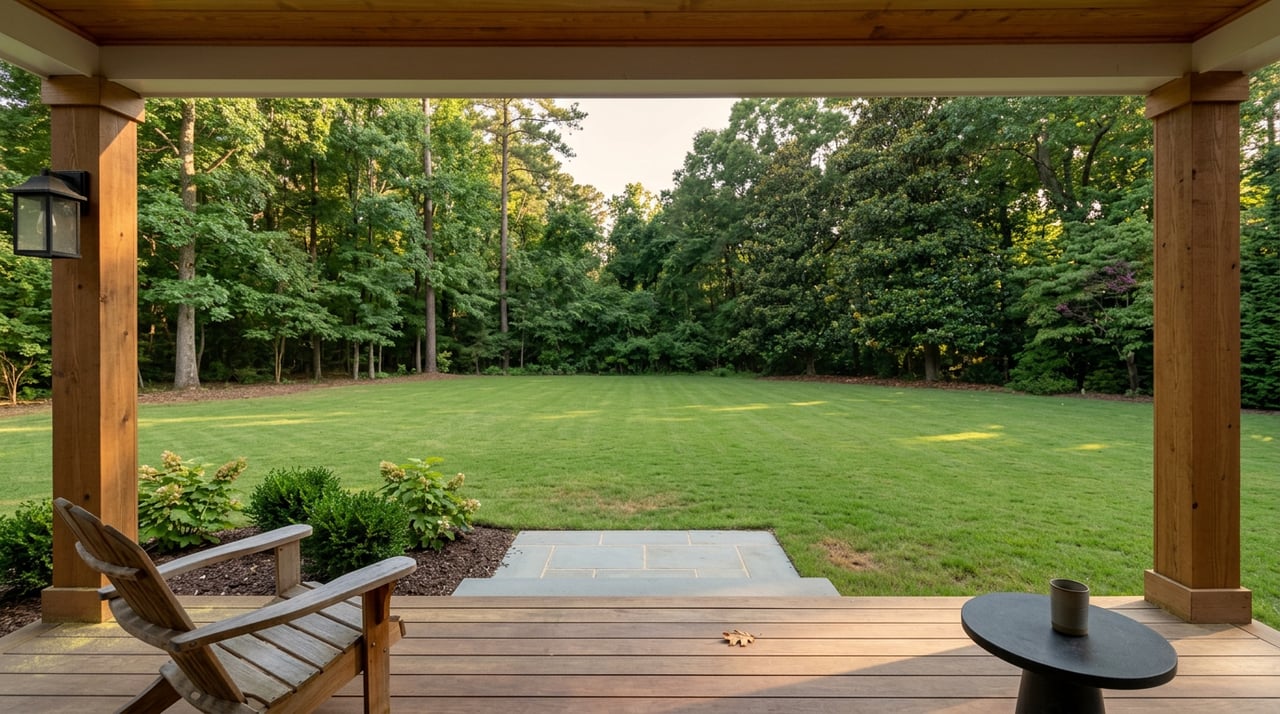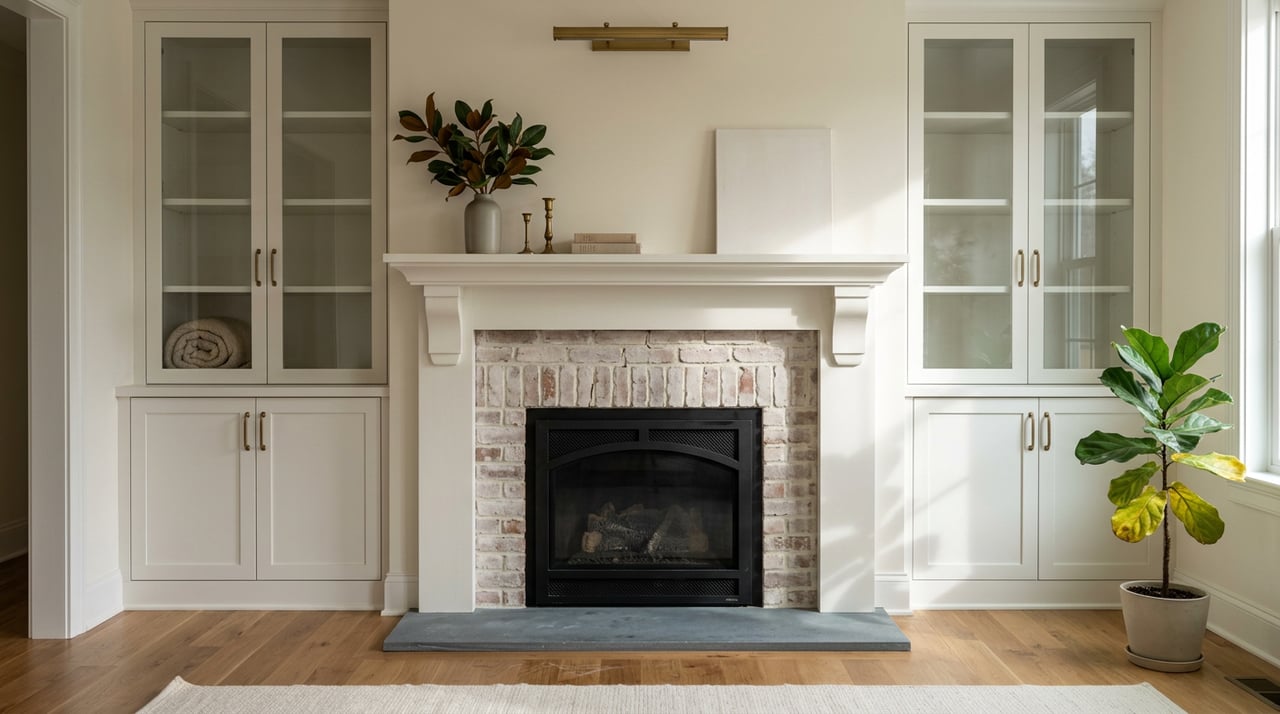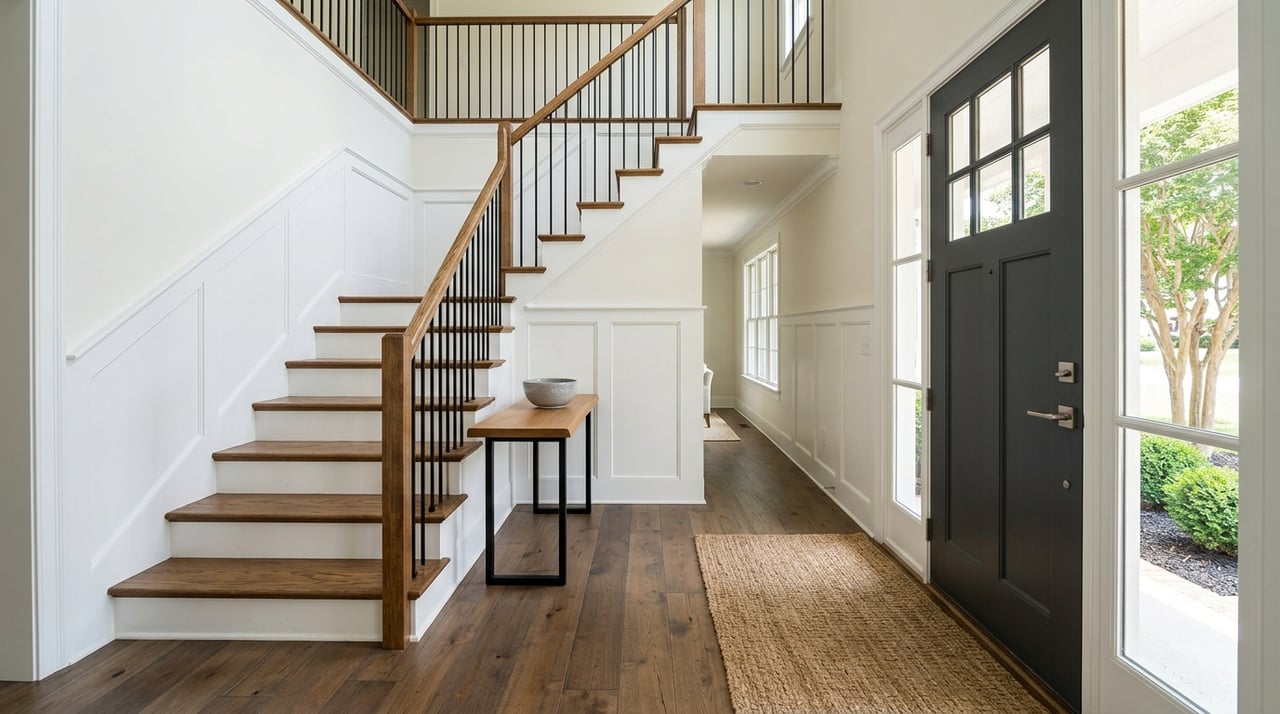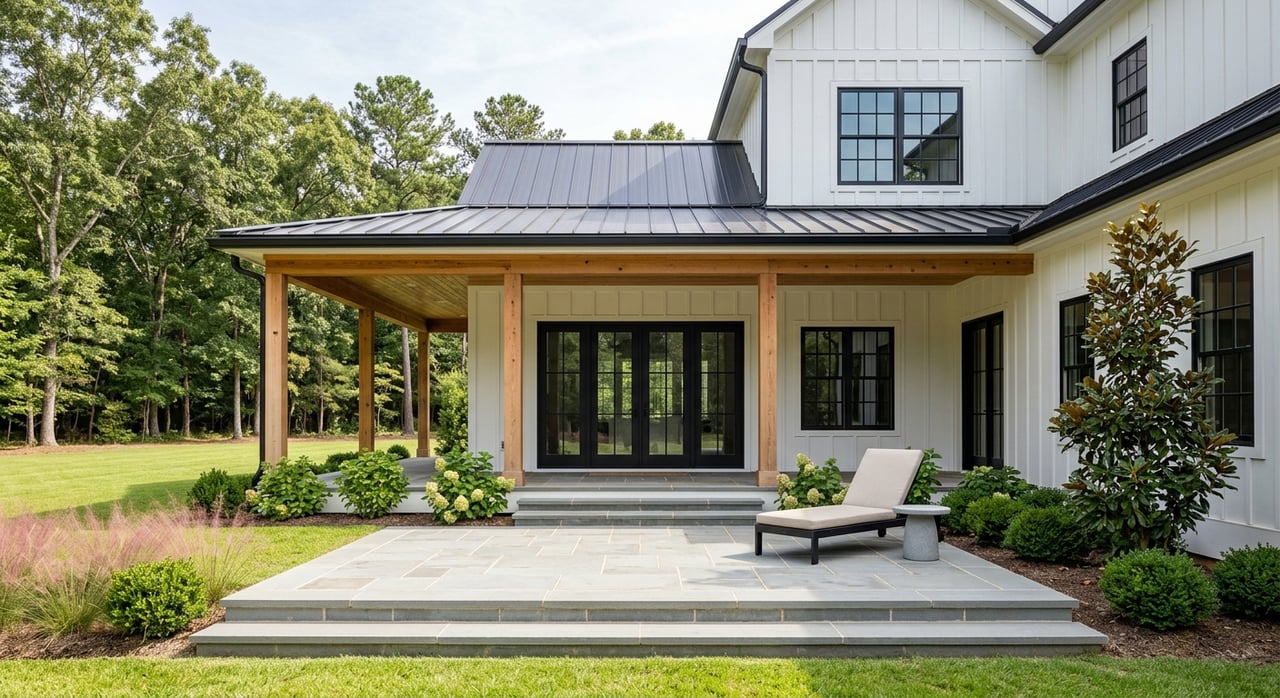
Are you torn between a brand-new build and a well-kept resale in Fuquay-Varina? You are not alone. The right choice depends on your budget, timeline, appetite for customization, and how you want your home to live day to day. In this guide, you will compare real costs, timelines, warranties, HOAs, lot sizes, and key contract points in North Carolina so you can choose with confidence. Let’s dive in.
Fuquay-Varina market snapshot
If you are shopping in Fuquay-Varina, expect a typical home value in the roughly $430,000 to $460,000 range with citywide price per square foot around $200 to $210. Those figures help frame both resale and new construction options. Actual pricing swings with product type, lot, and finish level, so compare apples to apples.
New homes are active across town at many price points. You will find entry-level townhomes starting in the low $300,000s, production single-family in the $400,000s to $700,000s, and higher-end offerings in certain communities. The key is to look beyond the headline price and understand the total cost to move in.
Price and value: new vs resale
Sticker price vs total cost for new builds
Builders advertise “starting at” prices that reflect a base plan. Your final price usually rises with lot premiums, structural options, and design selections. Model homes often showcase upgrades that add tens of thousands of dollars beyond base pricing.
Before you sign, ask for a detailed estimate that includes your preferred lot, structural choices, and a realistic design allowance. That way, you can compare a new build’s true all-in cost to a resale that may already include many of those finishes.
Price per square foot reality check
Price per square foot in Fuquay-Varina varies by product. Recent townhome inventory has shown figures in the high $100s per square foot, while larger single-family production homes often land above $200 per square foot depending on lot and finishes. Use the citywide median as a reference, but compare similar home types and condition to avoid false conclusions.
Lot premiums and site variables
Lot selection changes price and daily experience. Corner, cul-de-sac, or greenbelt sites can carry premiums from several thousand dollars to much more. Local zoning conditions also shape lot sizes. Town documents for projects like Rowland’s Grant show minimum lot sizes in tiers, ranging from about 5,200 square feet to 15,000 square feet depending on the product. You can review local zoning examples on the Town’s development page for context at the Town of Fuquay-Varina development updates.
Timeline: when you need keys
If you need to move fast, resale usually wins on speed. Most resale closings take about 30 to 45 days once you are under contract, depending on financing and title work. New builds require patience unless you choose a move-in-ready inventory home.
Industry guidance places most production builds in the 6 to 9 month window from start to finish, while custom homes may run 9 to 18 months based on complexity and conditions. See a helpful overview of timelines from a builder perspective at Dunn & Stone’s build timeline guide.
If you like new but cannot wait that long, look for “quick move-in” or inventory homes. These are already under construction or complete, which can trim months off your schedule.
Warranty, inspections, and peace of mind
New construction typically comes with layered protection. Many national and regional builders use a 1-2-10 structure: one year for workmanship, two years for systems, and ten years for major structural items. You can review an example of this approach in Pulte’s warranty overview. Always read the actual warranty for limits and transfer rules.
Even with a warranty, plan third-party inspections. A phased approach is smart: one during framing or pre-drywall and another before closing. Catching issues early often makes fixes faster and cheaper.
Contracts in North Carolina: due diligence must-knows
North Carolina uses a due diligence process that is unique compared to many states. When you go under contract, you usually pay a non-refundable due diligence fee in exchange for a negotiated inspection period. You can still cancel for any reason during that period, but the fee is not refunded. This is separate from earnest money.
For new construction, different addenda and forms apply. Ask your agent to explain which forms you will sign, how builder timelines and selections are handled, and what happens if there are delays. Here are smart questions to ask before you commit:
- What are the due diligence and earnest money amounts, and when are they at risk?
- Which selections are final and which can change, and what are the change-order fees?
- What happens if the home is not complete by the target date?
- What warranty documentation will I receive at closing?
HOAs, amenities, and maintenance
Many new Fuquay-Varina communities include HOAs. Dues vary based on amenities and maintenance levels. Recent examples show townhome communities near $150 per month and single-family neighborhoods around $70 per month, but the range is wider across town.
Resale neighborhoods may or may not have an HOA. If you want a pool, clubhouse, or lawn-care program, expect an HOA. If you want more independence, you may find it in older or non-HOA areas. Always review the CCRs and budget to understand what is covered.
Lot size and neighborhood character
Newer production neighborhoods often feature lots in the 0.10 to 0.33 acre range, with larger sites available in higher-price collections. Many resales offer bigger yards and more mature landscaping. If you value privacy, trees, or outdoor space, factor lot size heavily into your search.
The town’s conditional zoning approvals illustrate how lot size can vary by product and phase. For example, minimums tied to specific projects range from about 5,200 square feet to 15,000 square feet. You can browse local zoning examples at the Town of Fuquay-Varina development updates.
Financing and incentives: what changes with new builds
Resale homes typically use standard mortgage products on a 30 to 45 day close. New construction can be financed several ways. Inventory homes often use conventional financing at closing. If you are building from the ground up, you may use a construction-to-permanent loan or a two-phase structure with draws during construction. For a quick primer on one-time-close options, see this overview of FHA construction-to-permanent loans.
Builders also use incentives to manage inventory and monthly payment targets. You may see closing cost help, rate buydowns, or upgrade credits, often tied to using a preferred lender. The key is to compare total cost, not just the headline rate. A recent market round-up explains how incentives have been more common as builders adjust to conditions. Read about the trend and how to evaluate offers in this mortgage incentives explainer.
Smart moves for you:
- Get a second opinion from an independent lender to compare APR and total cash to close.
- Put a dollar value on rate buydowns versus “free” upgrades based on your loan size and time horizon.
- Confirm incentive rules and whether they change your ability to shop lenders.
Quick comparison: new vs resale
Use this cheat sheet to focus your search.
Price and $/sq ft
- New: Starting prices rise with lot premiums and selections; price per square foot varies widely by product.
- Resale: Often more predictable all-in cost; recent updates and condition drive value.
Move-in timeframe
- New: About 6 to 9 months for most production builds; faster if you buy inventory.
- Resale: Commonly 30 to 45 days from contract to close.
Customization
- New: Choose layout options and finishes early; design center adds cost and control.
- Resale: Limited to post-close renovations; faster path to turnkey if the updates suit you.
Warranty and inspections
- New: Typical 1-2-10 warranties; still schedule phased inspections.
- Resale: No builder warranty, but you can negotiate repairs or credits after inspections.
HOAs and maintenance
- New: HOAs are common and amenity-driven; expect monthly dues.
- Resale: May or may not have an HOA; rules and fees vary.
Lot size and neighborhood character
- New: Many lots in the 0.10 to 0.33 acre range with curated amenities.
- Resale: Often larger yards and mature landscaping; variety across neighborhoods.
Decision checklist: which path fits you?
- You need to move within 1 to 3 months: focus on resale or a move-in-ready inventory home.
- You want low early maintenance and protection: new construction offers layered warranties; verify terms and transfer rules.
- You want to personalize layout and finishes and can wait 6 to 12+ months: a semi-custom or production build is a fit; plan for design-center spend and change-order policies.
- You value lot size, trees, or established character: resale will often meet these goals more easily.
- You are budget-driven: compare total cost. Include lot premiums, HOAs, and a realistic upgrade allowance for new builds versus the all-in price and condition of a resale.
Next steps
If you are deciding between new construction and resale in Fuquay-Varina, align your choice with three things: timeline, total budget, and the way you want the home to live. A design-minded, new-build fluent agent can help you price upgrades, read HOA documents, and negotiate warranty and incentive terms while keeping your equity goals front and center. If you are ready to compare real options side by side, connect with Rod Hudson to get a clear plan that fits your move and your design priorities.
FAQs
What is the typical home price in Fuquay-Varina right now?
- Recent market snapshots place typical values around $430,000 to $460,000 with citywide price per square foot near $200 to $210, depending on home type and finishes.
How long does a new build usually take in Fuquay-Varina?
- Most production builds run about 6 to 9 months from start to finish, while custom projects often take 9 to 18 months depending on complexity and conditions.
What is North Carolina’s due diligence fee and period?
- In NC you typically pay a non-refundable due diligence fee for a set inspection period when you can cancel for any reason, separate from refundable earnest money.
Are HOAs common in new Fuquay-Varina neighborhoods?
- Yes, many new communities include HOAs, with dues that vary by amenity level and maintenance; resale areas may or may not have HOAs.
Do I still need inspections on new construction?
- Yes, a phased inspection approach (for example, pre-drywall and final) helps catch issues early even when a 1-2-10 builder warranty is in place.
Can I negotiate with builders on price or terms?
- Often yes; builders may offer closing cost help, rate buydowns, or upgrades, sometimes tied to using a preferred lender, so compare total cost and get a second loan quote.