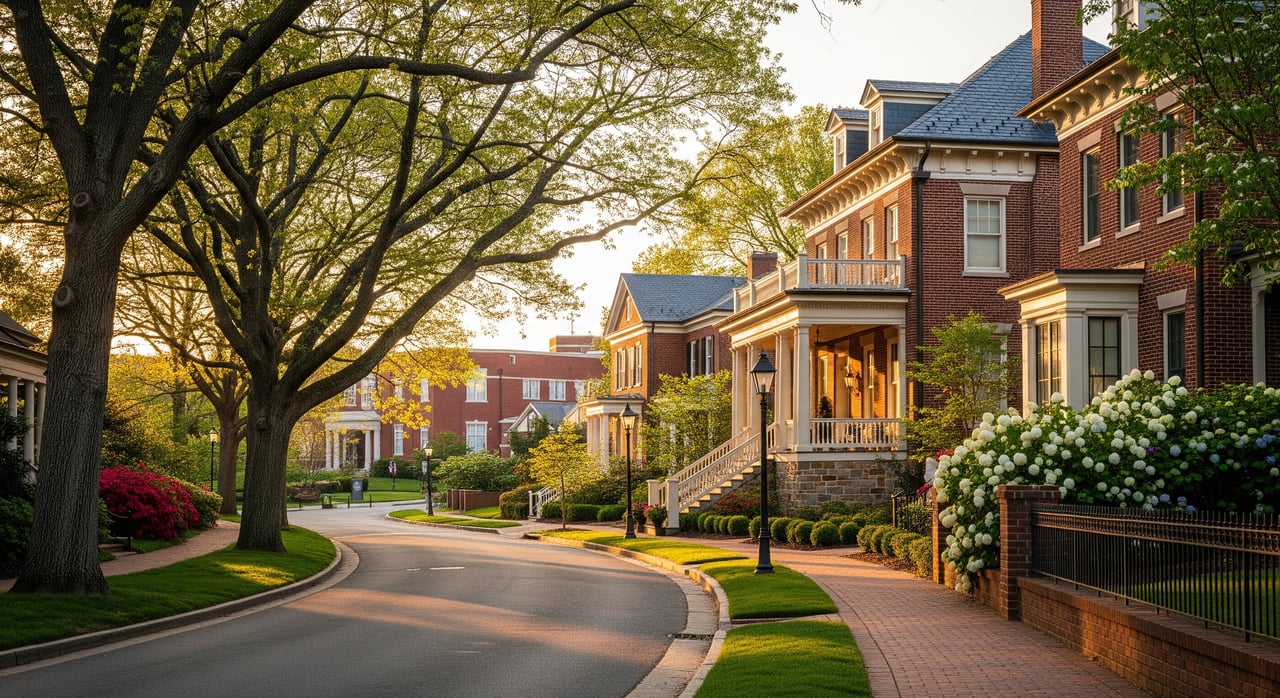
Thinking about a move to Apex and trying to picture your day to day? You are not alone. Many buyers look at Apex for its blend of small-town charm, new amenities, and access to jobs across the Triangle. In this guide, you will learn how neighborhoods differ, what to know about schools, how commutes work, and what daily life feels like so you can move forward with confidence. Let’s dive in.
Why Apex works
Regional position
Apex sits in southwestern Wake County within the Raleigh–Durham–Cary metro. You are well placed for commutes to Raleigh, Cary, and Research Triangle Park. Major highways and the Triangle Expressway connect you to the region, and your exact location in Apex will shape your drive patterns.
Growth and feel
Apex has grown steadily over the past two decades. You will find a walkable historic core alongside newer master-planned neighborhoods and infill townhome pockets. The result is a mix of classic neighborhood streets and modern amenities that appeal to a range of lifestyles.
Neighborhoods at a glance
Historic downtown area
If you enjoy sidewalks, local cafés, and quick access to community events, homes near historic downtown can fit well. Housing often includes older cottages, bungalows, and smaller-lot homes. You can walk to restaurants and shops, and you are close to in-town parks and civic spaces.
Established suburban neighborhoods
Many subdivisions built from the 1990s through the 2010s offer mature trees, community pools, and neighborhood parks. Expect HOA oversight and a variety of home sizes on suburban lots. These areas appeal if you want neighborhood amenities and a traditional single-family setting.
New master-planned communities
Newer planned communities often include amenity centers, pools, playgrounds, and greenways. You will find modern single-family homes and townhomes with open-concept layouts and energy-efficient features. New construction from regional and national builders is common, and lot sizes vary by section.
Semi-rural and outer edge
On the outskirts of Apex, you can find larger lots and newer construction with more space between homes. These areas suit you if you value privacy, land, and a quieter setting. Drive times and utility setups can differ, so confirm septic versus municipal services for each property.
Townhome and condo pockets
Infill and planned townhome communities are growing. These homes offer lower-maintenance living and can be an entry point into Apex. They are popular with commuters, downsizers, and first-time buyers who value convenience and newer finishes.
Schools and education
Public schools overview
Apex is served by the Wake County Public School System. WCPSS uses assignment boundaries that can change with growth, and it offers magnet and specialty programs throughout the county. For any address you consider, verify current assignment, feeder patterns, and bus eligibility directly with WCPSS before you write an offer.
What families often evaluate
Many families look at school report cards, program options, and proximity when comparing homes. Capacity can be an issue in fast-growing neighborhoods, so review enrollment details during due diligence. If a specific program matters, ask about application windows and transport rules.
Private and charter options
Several private and charter schools operate across Wake County. Programs vary by grade level, mission, and admissions timeline. If you plan to pursue private or charter, start your outreach early to understand waitlists and tuition schedules.
Early childhood and childcare
You will find daycare centers and preschools in Apex and nearby Cary and Raleigh. Waitlists are common, especially for infant and toddler rooms. Plan to contact providers early and ask about hours, curriculum, and deposit requirements.
Higher education nearby
Wake Technical Community College has nearby campuses, and major universities such as NC State, Duke, and UNC are within commuting distance. These institutions add to the region’s cultural life and provide continuing education and workforce training.
Commute and transportation
Major roads and patterns
US-1 and US-64 connect Apex to Raleigh and Cary, with additional access from state routes and the Triangle Expressway. Your commute time will vary by time of day and destination. If a specific drive matters, test the route at peak hours to see real conditions.
Transit and alternatives
Regional bus services are available in the Triangle with some park-and-ride options. Local routes are more limited than in larger urban cores, so most residents rely on cars. Rideshare and carpooling can help if you have a flexible schedule or a consistent commute.
Bike and pedestrian access
Apex includes greenways and sidewalks across many neighborhoods, along with a pedestrian-oriented downtown. Dedicated bike infrastructure varies by corridor. If biking or walking is a priority, review neighborhood plans and test your route from the home to your daily destinations.
School transportation
WCPSS provides bus service based on eligibility and distance rules. Confirm bus stop locations, route timing, and any walk zones tied to your address.
Daily life and amenities
Downtown and community events
Downtown Apex offers restaurants, cafés, boutiques, and a regular calendar of community events. Seasonal festivals like PeakFest help anchor local life. Weekends often include farmers markets, library programs, and family activities in parks and civic spaces.
Parks and the outdoors
Apex maintains parks, playgrounds, sports fields, and greenways that support youth sports and adult leagues. Nearby Jordan Lake is a regional draw for boating, fishing, and camping. Many master-planned neighborhoods also include pools and private recreation spaces.
Healthcare and services
You will find clinics, urgent care, and specialty providers in Apex and surrounding towns. Larger hospital systems in the Triangle are within a reasonable drive for advanced care. When you shop for homes, map out pediatric, dental, and urgent care options that fit your schedule.
Shopping, groceries, and dining
Grocery chains, big-box retailers, and specialty shops are spread through Apex and nearby Cary. Dining ranges from locally owned spots downtown to casual options in shopping centers. For broader nightlife or cultural venues, many residents head into Raleigh or Cary.
Costs and ownership basics
Taxes, utilities, and HOAs
Apex is an incorporated town within Wake County. Property taxes include county and municipal components, and many neighborhoods have HOA fees that cover amenities and maintenance. Review HOA covenants, architectural rules, and fee schedules to understand obligations and benefits.
Insurance, floodplain, and internet
Check FEMA flood maps and county GIS for any property near creeks or low areas. Confirm home insurance needs and whether flood insurance is advisable. Internet options often include major fiber or cable providers, but availability is address specific, so verify during due diligence.
How to choose your fit
Start with lifestyle
List your must-haves and nice-to-haves. Examples include walkability to downtown, access to greenways, a shorter commute, or a community pool. Use these to narrow your target areas before you start touring.
Home features and condition
In established areas, factor in updates, systems age, and yard maintenance. In new construction, evaluate builder reputation, lot position, and upgrade selections that impact daily life and resale. If you want move-in ready, budgeting for design and staging touches can elevate value and enjoyment.
Resale and long-term value
Proximity to key roads, schools, and greenways can influence resale demand. Planned transportation projects and new commercial nodes also affect future value. Ask for local planning updates and consider how the neighborhood might evolve over the next five to ten years.
Buyer checklist for Apex
- Verify public school assignment, feeder pattern, and bus eligibility for the exact address.
- Drive your commute at peak hours in both directions.
- Review HOA covenants, architectural guidelines, amenities, and fee schedule.
- Confirm utility providers, internet options, and whether the home is on septic or municipal sewer.
- Check FEMA flood maps and county GIS for floodplain and stormwater details.
- Review building permits and addition history for past work.
- Ask about upcoming development, road projects, or rezonings nearby.
Final thoughts and next steps
Apex brings together a charming downtown, modern communities, and practical access to the Triangle’s job centers. Whether you want a walkable in-town cottage, a pool community with greenways, or more land at the edge of town, you can find a fit that supports both lifestyle and long-term value.
If you want a local, design-minded guide to help you compare neighborhoods, evaluate school and commute tradeoffs, and position your purchase for resale, connect with Rod Hudson. Request a Valuation & Design Consult and move forward with clarity.
FAQs
How does public school assignment work in Apex?
- Apex is served by WCPSS, which uses address-based boundaries and feeder patterns. Always confirm assignment and bus eligibility with WCPSS for your specific address before you make an offer.
What are typical commutes from Apex to RTP?
- Commute times vary by route and time of day via US-1, US-64, and NC-540. Test your exact trip during peak hours to set realistic expectations.
Are there HOA fees in Apex neighborhoods?
- Many master-planned and established subdivisions have HOAs with fees that fund amenities and maintenance. Review covenants and fee schedules to understand costs and rules.
How walkable is downtown Apex and nearby housing?
- The historic core is pedestrian oriented, and some surrounding streets are within walking distance of shops and cafés. Walkability in newer subdivisions varies, so evaluate sidewalks and greenway links for each property.
Are daycares and preschools easy to find in Apex?
- There are multiple options in Apex and nearby towns, but waitlists are common, especially for infants. Start outreach early and confirm hours, curriculum, and fees.
Do I need flood insurance in Apex?
- Requirements depend on a property’s floodplain status and lender guidelines. Check FEMA maps and county GIS, then consult your insurance provider for coverage and cost.
How does Apex compare in cost to Cary or Raleigh?
- Apex often commands a premium for single-family homes due to suburban amenities and demand, while townhomes and condos can offer a more affordable entry. Compare active listings and recent sales in your target areas to understand tradeoffs.