Looking for a home with more personality than a copy-and-paste floor plan? In South Raleigh and the nearby suburbs, design-focused living can mean very different things depending on where you land. You might be drawn to historic cottages near major parks, a small-town downtown with updated neighborhoods, or newer communities where exterior details and curb appeal still matter. This guide will help you understand how South Raleigh, Garner, and Fuquay-Varina each offer a distinct design story, and how to think about fit before you make your move. Let’s dive in.
South Raleigh design appeal
South Raleigh offers a layered housing story that feels different from many newer parts of the metro. In areas tied to the East Raleigh-South Park Historic District, you will find a mix of house forms developed from the mid-19th century through 1953, including shotgun homes, Triple-A cottages, side-gabled homes, front-gabled homes, and hipped-roof houses.
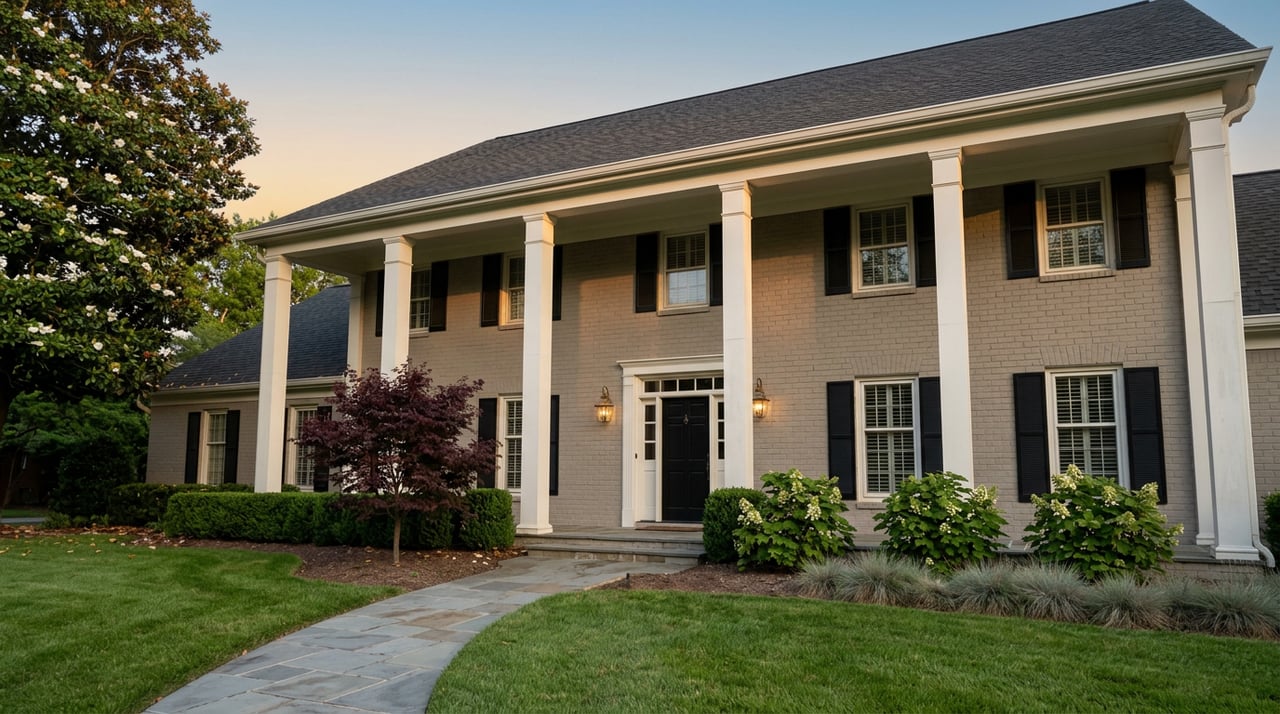
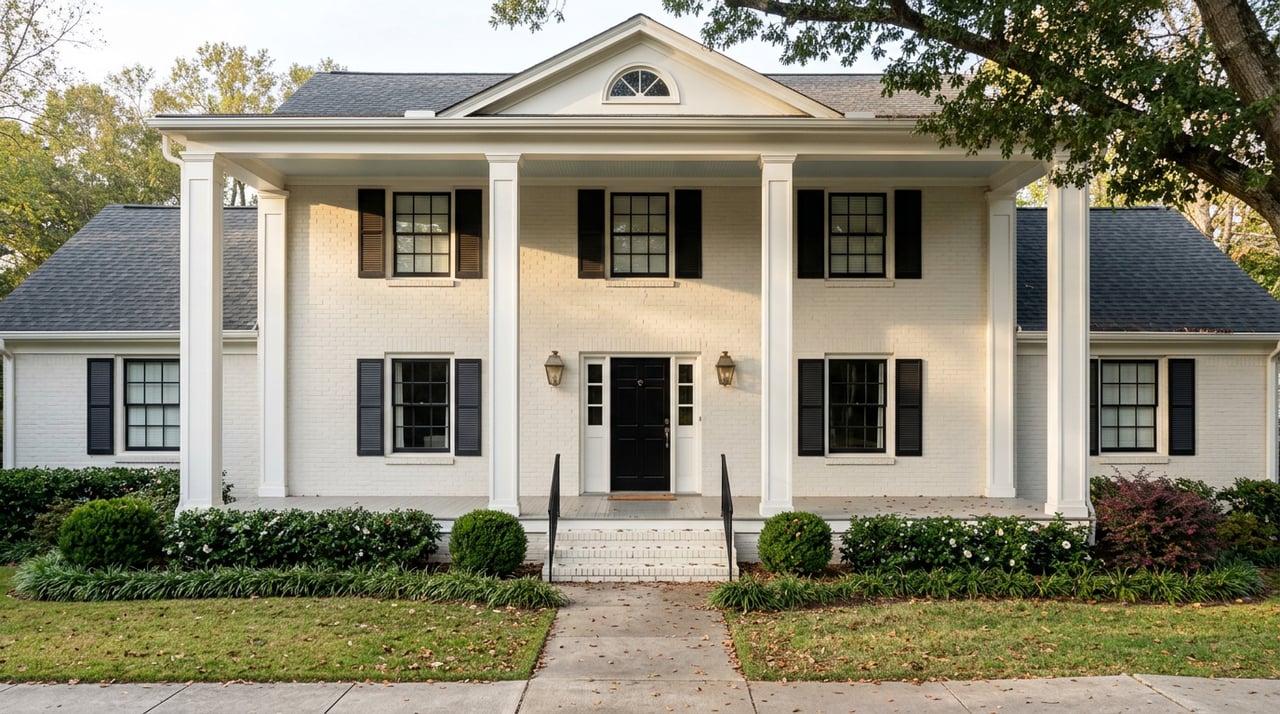
That variety matters if you value architecture with a sense of place. South Park also includes Craftsman, Colonial Revival, and Neoclassical homes, which gives buyers a wider design vocabulary than you often see in more uniform suburban neighborhoods. For someone who wants character, texture, and a more established streetscape, this part of Raleigh can be especially compelling.
Historic homes need careful planning
If you are considering a locally designated historic property, design choices may come with extra review. Raleigh requires a Certificate of Appropriateness for certain exterior changes in historic overlay districts, which can affect updates to porches, additions, rooflines, materials, and facade details.
That does not mean historic ownership is harder by default, but it does mean you should plan thoughtfully. If design is important to you, this process can actually be part of the appeal because it helps preserve the features that give these homes and blocks their identity.
South Raleigh lifestyle is park-centered
Design-focused living is not just about the house. It is also about the setting around it, and South Raleigh has a strong public-realm story. Dorothea Dix Park spans 308 acres, making it one of Raleigh’s largest parks, while planned connections like the Chavis-Dix Strollway and South Saunders Street improvements support better links between downtown, Chavis Park, and Dix Park.
For buyers, that adds another layer of value. South Raleigh can feel historic and connected at the same time, with architecture, open space, and improved mobility all shaping the experience of daily life.
Garner offers design with convenience
If you want suburban ease without giving up a sense of place, Garner deserves a close look. The town describes itself as a suburban community with a historic downtown, quiet neighborhoods, and convenient access to downtown Raleigh, and its community profile shows both growth and stability.
Recent Census QuickFacts reported by the town put Garner at 39,345 residents in 2024, with a 63.2% owner-occupied housing rate, a median owner-occupied value of $355,000, and a median household income of $78,756. Those numbers help frame Garner as a practical option for buyers who want space and ownership stability while staying close to Raleigh.
Garner blends old and new
Garner’s design identity is shaped by both heritage and reinvestment. The town’s historic core is being revitalized through a Main Street partnership, and local materials highlight cafes, restaurants, creative businesses, and recreation amenities in downtown.
There is also a meaningful adaptive reuse story here. The Garner Performing Arts Center occupies the former Garner High School, built in 1923, which shows how older civic buildings remain part of the town’s visual character. If you like the idea of established charm paired with newer subdivisions and updated amenities, Garner strikes that balance well.
Garner prioritizes curb appeal
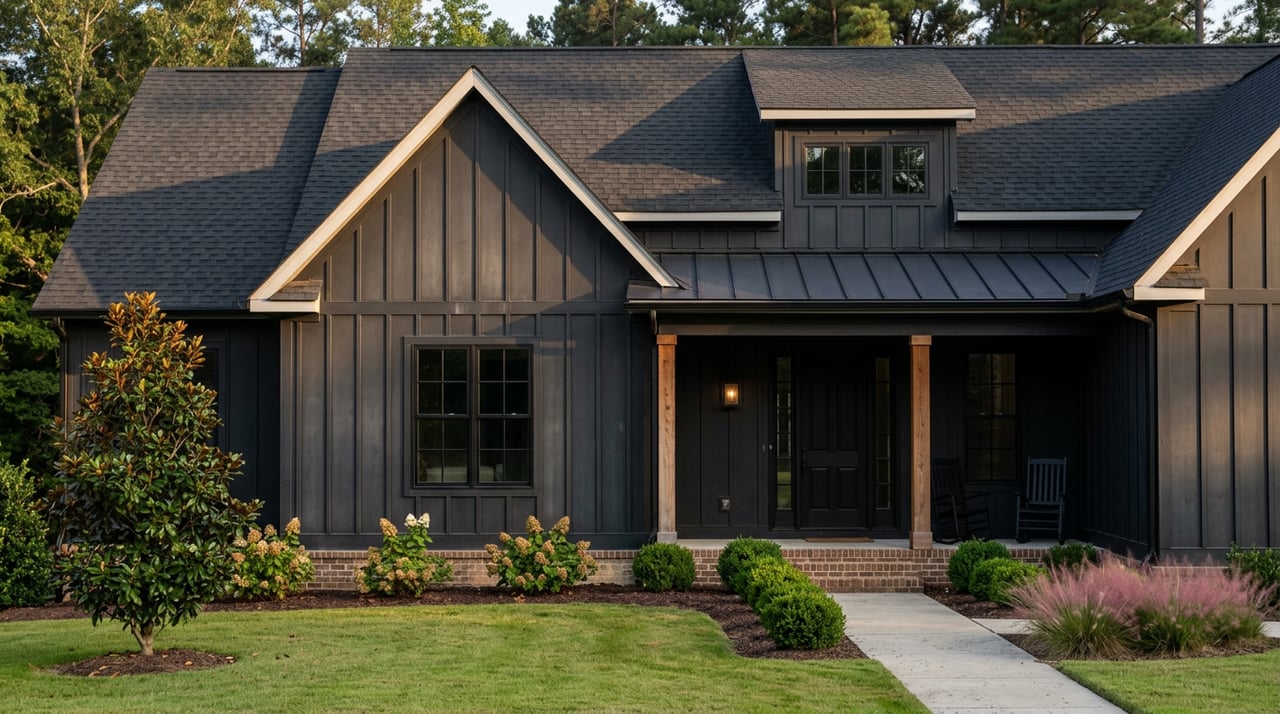
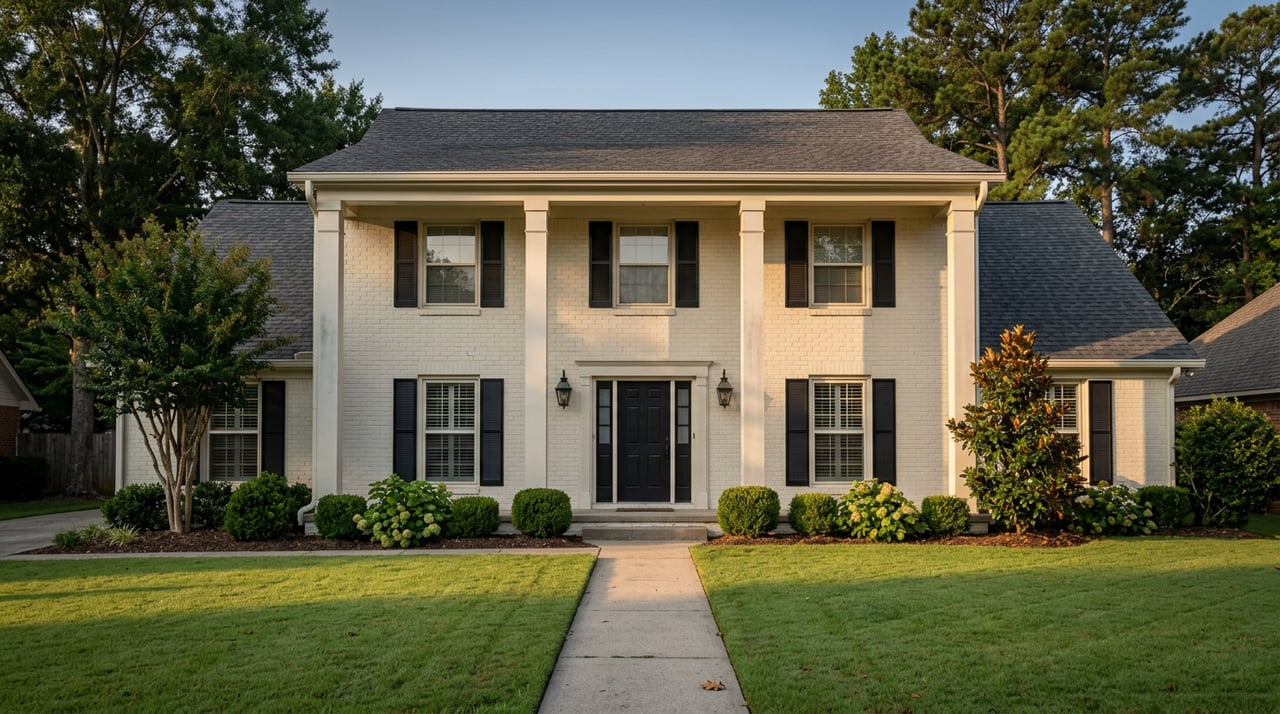
Recent Garner zoning materials suggest that new residential development is paying closer attention to street presence. One 2025 town document required features such as cementitious siding instead of vinyl, shutters or trim on front facades, at least two architectural features per elevation, masonry on many units, covered front porches, rear patios, and carriage-light details.
The takeaway is not that every new home looks the same. It is that the local design direction leans toward more finished exteriors, stronger curb appeal, and less repetition from house to house. For buyers who want new construction but still care about visual detail, that can be a meaningful advantage.
Fuquay-Varina has broader design range
Fuquay-Varina gives you more than one path to design-focused living. According to the town’s quality of life overview, residents can choose an urban downtown lifestyle or a larger-lot setting, which makes it appealing if you are weighing walkability against extra outdoor space.
The town has grown quickly, too. Its community snapshot reports 46,317 residents in 2024, a 74.2% owner-occupied rate, a median owner-occupied home value of $451,500, and a median household income of $115,497. Compared with Garner and Raleigh, that supports a profile that is more owner-heavy and often aligned with buyers seeking newer homes or roomier settings.
Fuquay-Varina values historic character
Fuquay-Varina is not just about growth. It also has a preservation story that shapes its design appeal. The Fuquay Springs Historic District includes Queen Anne, Colonial Revival, and Bungalow/Craftsman architecture, and the town continues to frame downtown revitalization around historic preservation.
That creates a more layered feel than some buyers expect from a fast-growing suburb. You can appreciate older architectural styles in and around historic districts while also considering newer mixed-use and residential options nearby.
New builds show stronger design standards
Recent subdivision approvals in Fuquay-Varina point to a clear preference for more traditional and varied streetscapes. In communities such as Providence Oaks, approved design standards have included restrictions on vinyl siding, requirements for masonry accents, covered entryways, varied elevations, and more diverse color palettes.
Other approved communities referenced by the town include details such as board-and-batten siding, barn-style shutters, varied rooflines, porches, and trails or amenity spaces. That does not mean every new subdivision is design-forward in the same way, but it does show that parts of Fuquay-Varina are moving well beyond the basic tract-home stereotype.
Interior design trends fit this market
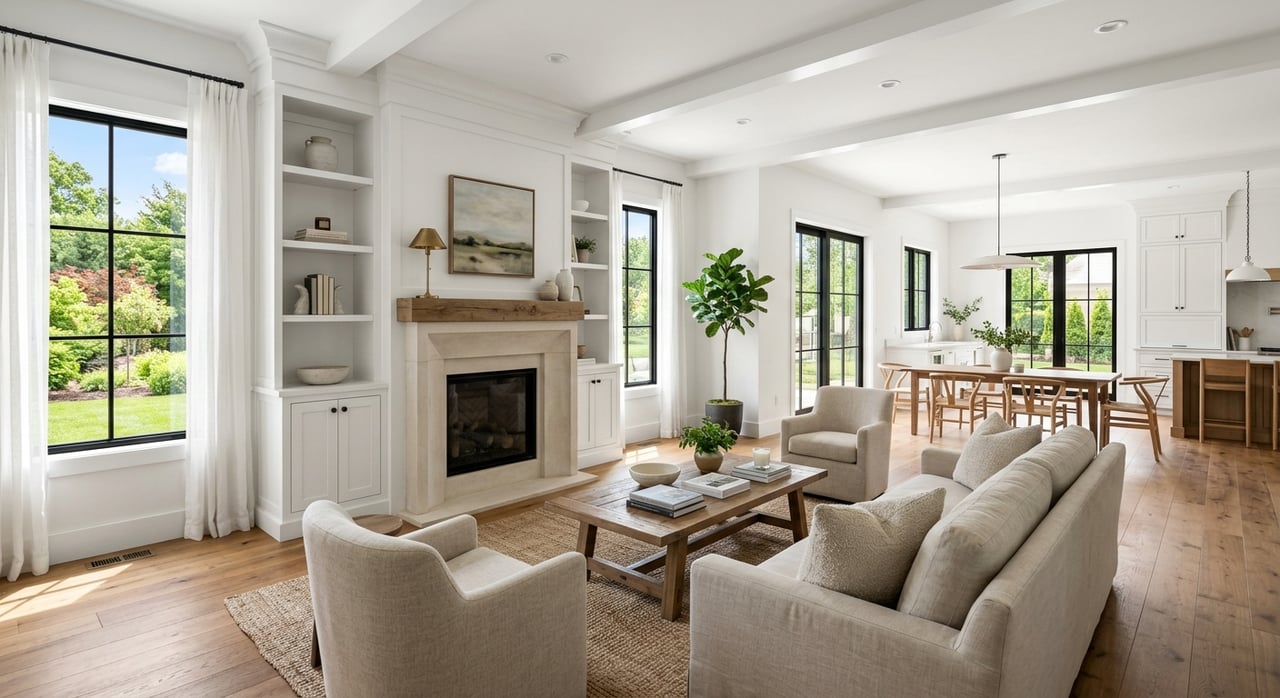
Across South Raleigh, Garner, and Fuquay-Varina, current design trends align well with the local housing stock. According to Houzz’s 2025 home design trends, buyers are leaning toward warm off-whites, earthy tones, muted greens, natural materials, rounded forms, woven textures, and a more lasting, craftsmanship-driven approach.
In practical terms, that means softer palettes and natural materials can complement older cottages and bungalows in South Raleigh. In Garner and Fuquay-Varina, finishes like white oak tones, stone surfaces, mixed metals, and warm neutrals can help bridge traditional exteriors with updated interiors.
Which area fits your style
The best fit depends on what design means to you in daily life. If you want historic architecture, layered streetscapes, and proximity to major park investments, South Raleigh stands out. If you want suburban convenience, civic reinvestment, and a more value-oriented ownership profile, Garner may feel like the sweet spot.
If you want flexibility between downtown energy and larger-lot living, plus newer neighborhoods with stronger exterior design language, Fuquay-Varina offers a wider range. Each area supports a different version of design-focused living, and your decision will likely come down to how you balance character, space, commute, and renovation appetite.
Think beyond finishes alone
It is easy to focus only on countertops, paint colors, and lighting, but design value starts earlier than that. In South Raleigh, it may mean understanding preservation rules before you plan changes. In Garner and Fuquay-Varina, it may mean comparing builder standards, exterior materials, porch design, lot layout, and neighborhood amenity planning.
That bigger-picture view can protect both your lifestyle and your investment. When you evaluate a home through the lens of architecture, setting, and long-term appeal, you are more likely to choose a property that still feels right years from now.
If you want help comparing South Raleigh, Garner, and Fuquay-Varina through both a design and market lens, connect with Rod Hudson. His design-minded, high-touch approach can help you evaluate character, finishes, neighborhood fit, and resale potential with more clarity.
FAQs
What makes South Raleigh appealing for design-focused buyers?
- South Raleigh offers historic housing types, varied architectural styles, and access to major public spaces like Dorothea Dix Park, which together create a more layered and place-driven living experience.
What should buyers know about historic homes in South Raleigh?
- Buyers should know that locally designated historic properties may require a Certificate of Appropriateness for some exterior changes, which can affect renovation plans and design decisions.
How does Garner compare with South Raleigh for home style?
- Garner generally offers a blend of historic downtown character, established neighborhoods, and newer homes with stronger curb appeal standards, while South Raleigh leans more heavily toward historic architectural variety.
What makes Fuquay-Varina different from Garner?
- Fuquay-Varina offers both downtown-style living and larger-lot options, along with a strong owner-occupied profile and newer communities that often emphasize varied exteriors and amenity spaces.
Are newer homes near South Raleigh still design-conscious?
- In nearby suburbs like Garner and Fuquay-Varina, recent zoning and subdivision standards show an emphasis on features such as covered porches, masonry accents, varied elevations, and stronger exterior materials.
What interior design trends fit Raleigh-area homes right now?
- Warm neutrals, earthy colors, natural materials, rounded forms, and vintage-inspired details are all well suited to both historic South Raleigh homes and newer homes in Garner and Fuquay-Varina.