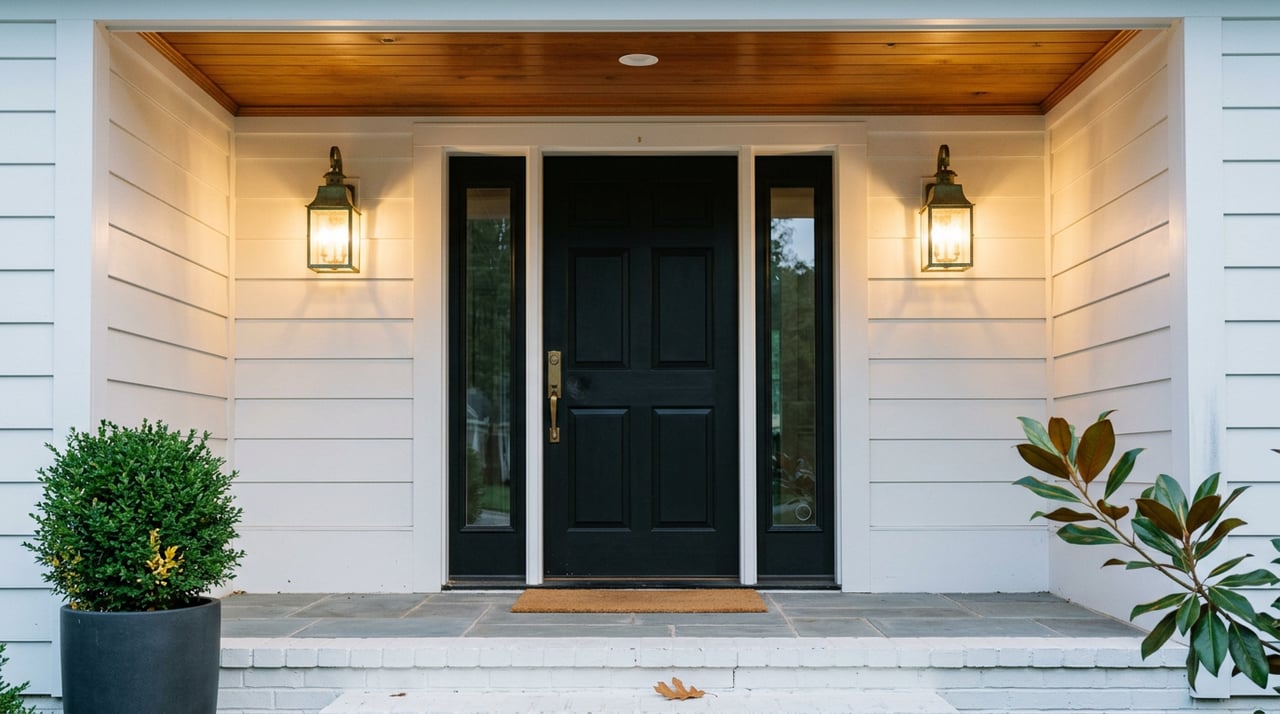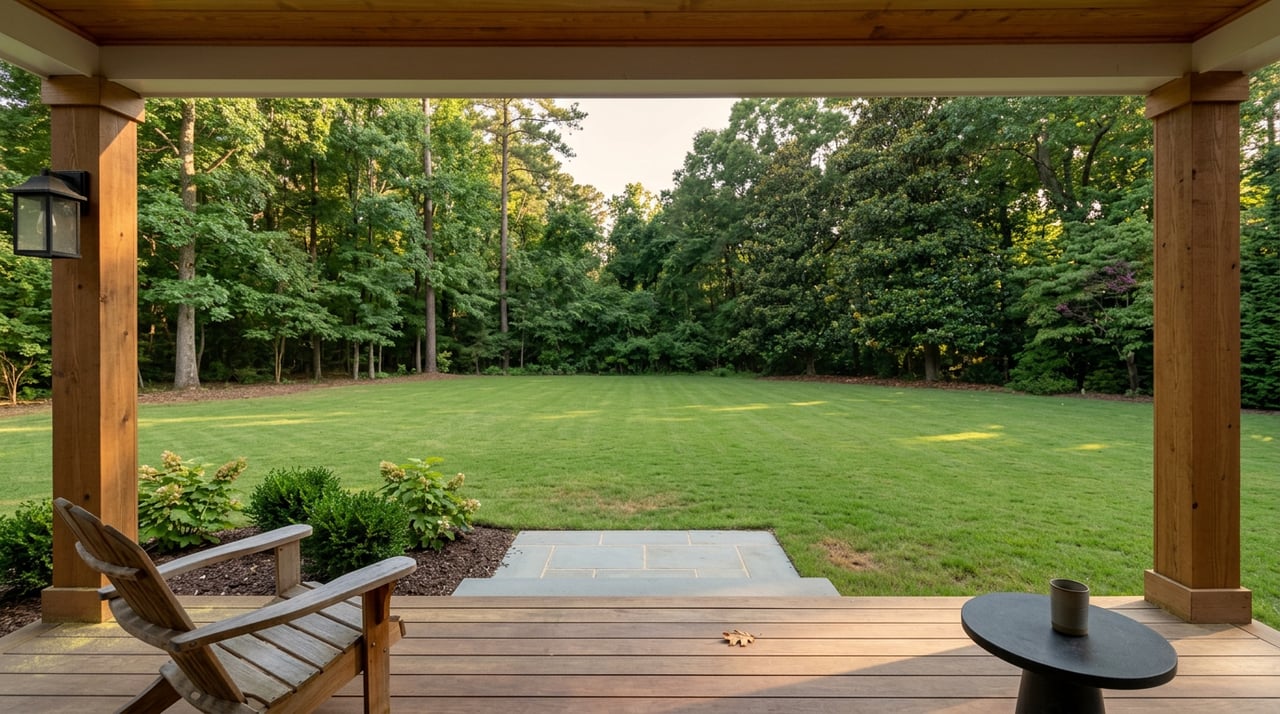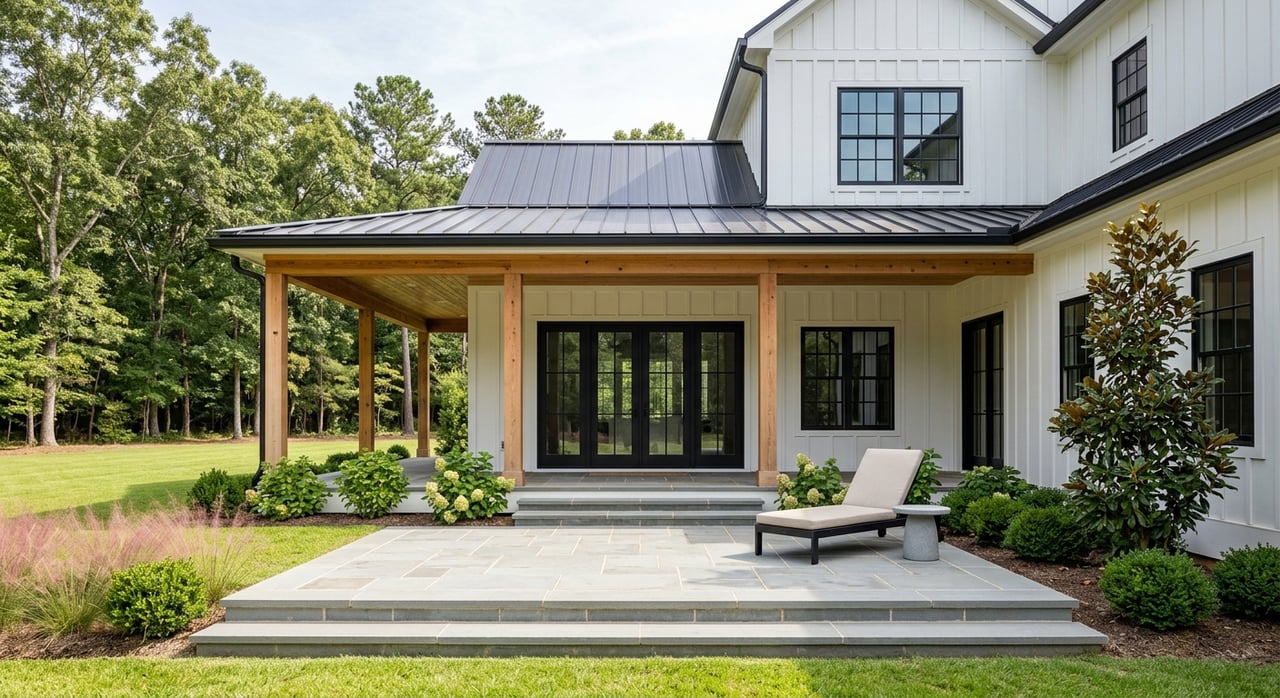
Thinking about building on land near Fuquay-Varina? It can be an exciting move, but raw land comes with a very different checklist than buying an existing home. Before you fall in love with a homesite, you need to know which rules apply, whether the land can support your plans, and what it may take to get utilities, permits, and access in place. If you understand those steps early, you can make smarter decisions and avoid expensive surprises later. Let’s dive in.
Start With Jurisdiction and Zoning
Your first step is to confirm who regulates the parcel. In the Fuquay-Varina area, that could mean the Town of Fuquay-Varina or Wake County, depending on whether the property is inside town limits, inside the town’s extraterritorial jurisdiction, or outside the town’s jurisdiction altogether.
If a parcel is in Fuquay-Varina’s town limits or ETJ, the Town Planning Department manages zoning and subdivision regulations. That matters because ETJ land is still subject to Town zoning and development standards even though it sits outside town limits.
It is also important to separate future land use guidance from current zoning. Fuquay-Varina’s 2040 Community Vision Land Use Plan helps guide rezoning decisions, but it does not change the zoning already in place. If the current district does not allow the home type, lot use, or layout you want, rezoning may be required.
Rezoning is not a small step. The town notes that it can be expensive, time-consuming, and permanent unless another rezoning is pursued later. That is why zoning should be one of the first things you verify before you close on land.
Do Not Overlook Private Restrictions
Public rules are only part of the picture. Deed restrictions, private covenants, and HOA rules can be stricter than town standards.
Even if zoning appears to allow your plan, private restrictions may still limit home size, exterior materials, accessory structures, fencing, or other site features. Checking those documents early can save you from designing around a plan that will not be approved.
Check Whether the Land Really Works
A parcel may look perfect on paper and still have physical limits that affect where and how you can build. That is why land due diligence is just as important as confirming zoning.
A survey or recorded plat can help you identify setbacks, easements, and other constraints. In Fuquay-Varina, easements may cover access, utilities, drainage ways, greenways, and roadways, so they can directly affect where a home, driveway, or outdoor improvements can go.
The town also notes that a deed, plot plan, or survey may help show whether easements exist. This is especially important on acreage, where a wide homesite can still have narrow buildable areas once setbacks and easements are applied.
Review Flood Hazard Areas Early
Flood risk is another key item to check before closing. In Fuquay-Varina’s jurisdiction, flood damage regulations apply to Special Flood Hazard Areas and Future Conditions Flood Hazard Areas, including land in the ETJ.
The town says property owners can review the Flood Zone Map through the Fuquay-Varina Engineering Department. If part of the site falls within a regulated flood hazard area, a floodplain development permit is required before development begins.
Understand Lot Split Rules
If you are buying a larger tract and thinking about creating more than one homesite, you need to understand the subdivision path. Fuquay-Varina allows some administrative processes for minor subdivision, exempt plat, and recombination plat work.
However, minor subdivision is limited to four lots and cannot require a new public street dedication or extension of public sewer or water. Larger or more complex divisions move into major subdivision review, which involves a different level of process.
Use Mapping Tools Before You Commit
One of the most practical early steps is reviewing available mapping layers. Fuquay-Varina’s GIS web map includes parcels, utilities, transportation, jurisdiction, zoning, land use, flood hazards, development activity, and environmental features.
That can help you spot potential issues before you spend heavily on plans. It can also help you understand what infrastructure may already be nearby and how surrounding land is currently being used or planned.
The town also provides public access to certain as-built record drawings for subdivision and utility projects. For buyers and builders, that information can add useful context about what is already in the ground near a site.
Plan Utilities and Access Up Front
Utility strategy can make or break a land purchase. Many buyers assume that land near town automatically has access to public water and sewer, but that is not always the case.
Fuquay-Varina Public Utilities maintains the town’s water and sewer infrastructure, but ETJ properties do not automatically receive town service. The town states that properties added to the ETJ are not automatically served, and owners who want town water and sewer must pursue annexation into town limits.
That means your utility plan may involve public connections, private well and septic, or a longer process than expected. The right answer depends on the site and its jurisdiction.
Well and Septic Need Early Review
For new single-family construction, the town requires scaled construction plans and a scaled plot plan showing easements and setback dimensions. The town also states that Wake County Environmental approval is required for private well and septic permits.
North Carolina requires newly constructed private wells to be tested before being used as a drinking-water source. State guidance also notes that the well-to-septic setback is generally 100 feet, with a possible reduction to 50 feet in limited single-family situations.
Septic review should happen early, not after your home plan is finalized. State wastewater rules are overseen through the North Carolina Department of Health and Human Services site wastewater program in coordination with local health departments, so county health review is a core part of land due diligence.
Prepare for Site Work and Stormwater Rules
Building on acreage often involves more than clearing a pad and pouring a foundation. The site itself may trigger additional planning based on grading, runoff, and disturbed area.
Fuquay-Varina requires a land disturbance permit for land-disturbing activity of 1 acre or more. The town also states that an erosion and sediment control plan must be approved before construction starts, and sites disturbing 1 acre or more also trigger the state NCG01 construction permit.
In practical terms, a long driveway, steep slope, wooded tract, wet area, or stream-adjacent site may require more coordination than a standard in-town lot. Even a modest house can lead to more site planning if access, drainage, and disturbance add complexity.
Know the Permit and Review Process
Once the land checks out, the next step is moving into formal review and permitting. Fuquay-Varina’s Inspections Department issues permits for single-family homes, accessory structures, and other building types, then performs inspections and issues the Certificate of Occupancy at completion.
The town’s E-Permit Portal allows users to apply for permits, upload documents, schedule inspections, review results, and pay fees online. That can make the process more manageable, but it does not replace the need for complete and accurate plans.
Pre-Development Meetings Can Save Time
For more complex projects, Fuquay-Varina encourages a pre-development meeting to review process, permits, and likely costs. The town also requires a pre-submittal meeting once a project has moved beyond due diligence and a full plan set is ready.
For site-plan work, town staff generally returns comments within 21 business days after processing. That kind of timing matters when you are trying to line up financing, builder schedules, and closing deadlines.
Do Not Forget Driveway and Road Access
Access is another detail that can surprise buyers. If your property fronts a state-maintained road, driveway and encroachment permits are required through NCDOT.
If the road is town-maintained, single-family driveway changes go through the town’s building permit process with a plot plan that shows the driveway and existing utilities. This is one more reason to confirm road frontage and access details before closing.
Match the Build to the Market
Land decisions should not stop at permits and infrastructure. You also want the finished home to make sense for the local market, especially if resale value matters to you.
Fuquay-Varina is in a growth-oriented planning environment. The town describes itself as one of the fastest-growing towns in North Carolina, and its planning framework is built to shape future growth and transportation patterns. The town also reports 862 new single-family permits in 2024.
That growth context can influence what buyers expect in terms of layout, access, finishes, and overall functionality. If you are building a custom home, spec home, or future resale asset, it helps to think beyond acreage alone and consider how the design will fit likely buyer demand.
Build the Right Team Early
Successful land purchases usually depend on getting the right people involved at the right time. In many cases, that means a surveyor, builder, lender, county environmental health staff, and town planning or inspection staff.
From a real estate perspective, it also helps to work with a broker who understands both land value and build potential. When you are comparing parcels, you are not just buying location. You are buying a set of development possibilities, costs, and constraints that need to line up with your goals.
If you are exploring land near Fuquay-Varina, a thoughtful plan on the front end can protect your timeline, your budget, and your long-term value. For guidance on evaluating lots, acreage, and new-build opportunities in the Raleigh area, connect with Rod Hudson.
FAQs
What should you check first before building on land near Fuquay-Varina?
- Start by confirming the parcel’s jurisdiction, zoning, and allowed use, then review private covenants or deed restrictions that may be stricter than public rules.
Does Fuquay-Varina ETJ land follow town development rules?
- Yes. Parcels in Fuquay-Varina’s ETJ are subject to town zoning and development standards even though they are outside town limits.
Can you get town water and sewer on land in the Fuquay-Varina ETJ?
- Not automatically. The town states that ETJ properties are not automatically served, and owners who want town water and sewer must pursue annexation into town limits.
Do you need county approval for a private well and septic near Fuquay-Varina?
- Yes. The town states that Wake County Environmental approval is required for private well and septic permits for a new single-family residence.
When do stormwater and erosion rules apply to land near Fuquay-Varina?
- Fuquay-Varina requires a land disturbance permit for land-disturbing activity of 1 acre or more, and an erosion and sediment control plan must be approved before construction starts.
Can you split a larger parcel into multiple lots near Fuquay-Varina?
- Sometimes. A minor subdivision may be handled administratively, but it is limited to four lots and cannot require new public street dedication or public sewer or water extension.