If you are trying to figure out where to live in Apex, the answer is not just about price or square footage. It is about the kind of daily life you want, from a walkable historic setting near downtown to a more traditional in-town neighborhood or a newer community with planned amenities and highway access. This guide will help you understand how Apex neighborhood styles differ so you can narrow your search with more confidence. Let’s dive in.
How Apex Is Growing
Apex has grown quickly over the past few decades, from about 5,000 people in 1990 to more than 80,000 today. The town’s population estimate reached 85,389 as of April 30, 2026, which helps explain why buyers see such a wide range of neighborhood styles across town.
That growth has created a layered housing landscape. In Apex, you can find a historic downtown core, established residential areas near parks and sidewalks, and newer edge communities shaped by large-scale planning and newer construction patterns.
Downtown Apex Style
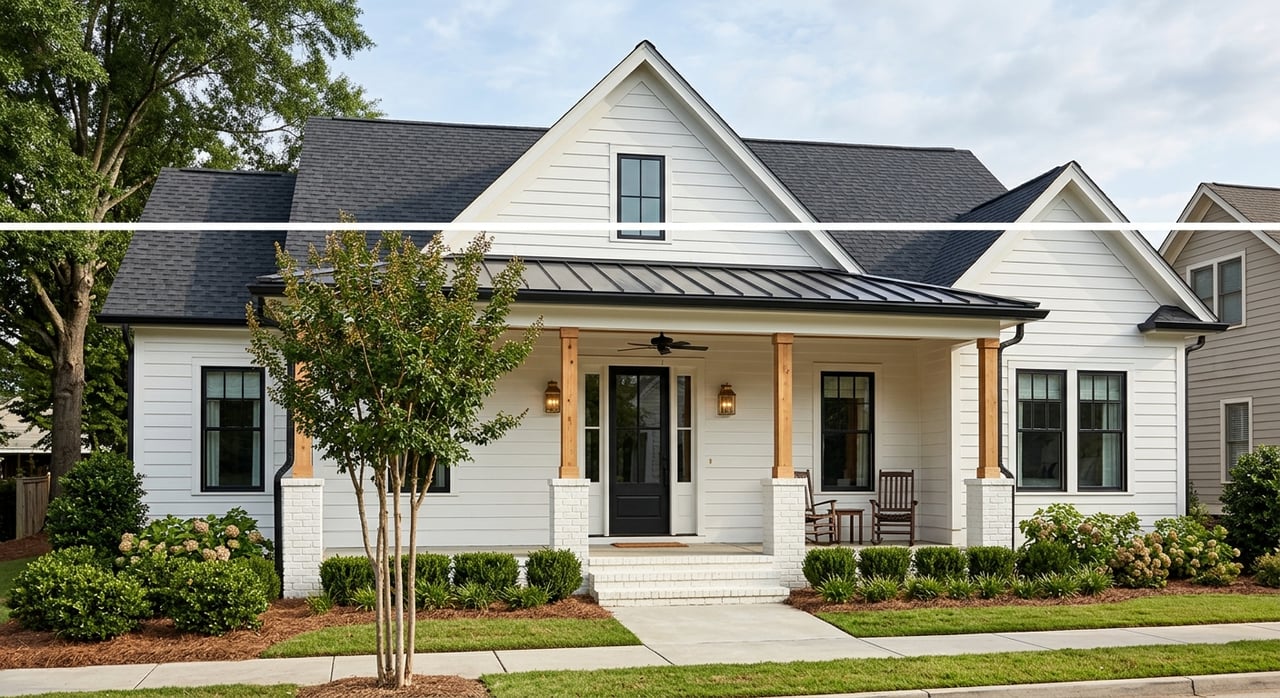
Downtown Apex has a distinct identity that is hard to confuse with newer parts of town. It is a National Register Historic District in the town center, with residential, commercial, and institutional buildings that reflect a period of significance from about 1870 to 1950.
The town identifies architectural styles here such as Queen Anne, Bungalow/Craftsman, Neocolonial Revival, and historic commercial forms. There are more than 150 primary and secondary contributing structures in the district, which gives the area a strong sense of character and continuity.
What Daily Life Feels Like Downtown
If you are drawn to downtown Apex, you are likely prioritizing charm, proximity, and a more connected street pattern. The area is known as a vibrant hub of culture, unique businesses, and community activity, and The Local Spot social district adds to its restaurant and retail energy.
Nearby civic and cultural anchors include Town Hall and the Halle Cultural Arts Center, along with downtown parking, art, and event infrastructure. In practical terms, downtown may be a strong fit if you value being close to shops, events, and town services more than having a large lot or newer subdivision amenities.
Who Downtown Often Fits Best
Downtown Apex tends to appeal to buyers who want:
- Older architecture with visible character
- A pedestrian-friendly setting
- A tighter street network
- Close access to local businesses and events
- A central in-town location
That does not make it the right fit for everyone. If your priority is a newer home, a larger homesite, or a neighborhood clubhouse and pool, other parts of Apex may line up better with your goals.
Established In-Town Neighborhoods
Just beyond the historic core, Apex shifts into a more traditional suburban pattern. The town’s transportation plan describes these areas as medium-density residential land uses with single-family homes, townhomes, and duplexes, often near busy corridors and intersections with ample off-street parking.
This is the version of Apex many buyers picture when they think of a mature, convenient suburb. You still get proximity to downtown and town services, but the housing pattern becomes more residential and less historic in feel.
Sidewalks, Greenways, and Parks
Apex has about 150 miles of sidewalks, centered around downtown and the residential areas just west of downtown. The town also notes that greenways connect residential areas to parks, libraries, and other destinations, which adds to the everyday convenience of established in-town living.
Recreation is one of the biggest strengths in these areas. Town parks include Apex Community Park, Hunter Street Park, Kelly Road Park, Apex Nature Park and Seymour Athletic Fields, and Pleasant Park.
Together, these parks offer amenities such as:
- Athletic fields and courts
- Playgrounds
- Dog parks
- Disc golf
- A skate plaza
- Splashpad features
- Greenway access
For many buyers, this creates a practical sweet spot. You get a residential setting with mature access to outdoor amenities, while still staying connected to downtown and major parts of town.
Newer Communities on the Edges
Apex’s newer edge growth tells a different story. These areas are shaped by planning categories such as Town Center and Transit-Oriented Development, which support walkable mixed-use patterns, attached or small-lot housing in some places, and more interconnected street networks near key corridors.
At the same time, many newer communities also emphasize newer homes, larger-scale development, and amenity packages that are harder to find in the historic core. If you want modern layouts, newer systems, and a more planned neighborhood environment, this part of Apex may deserve a closer look.
Sweetwater and Mixed-Use Living
Sweetwater is one of the clearest examples of Apex’s newer lifestyle-oriented development. Its Town Center is described as a sustainable 45-acre commercial and entertainment area within a walkable community that includes shopping, dining, entertainment, and events.
Builder information also describes Sweetwater as a neo-traditional development with a clubhouse, a six-lane competition pool, a wading pool, a playground, grill areas, a greenway trail, and pocket parks. For buyers who want neighborhood amenities built into the plan, this is a very different experience from older in-town housing.
Veridea and Large-Scale Edge Growth
Veridea represents the largest edge-growth example in the current research. It is a planned 1,100-acre mixed-use community with about 8,000 residential units planned across single-family homes, townhomes, and multifamily, along with retail, office, industrial, and civic uses.
Its location between US 1 and I-540 along NC 55, about a two-minute drive from downtown Apex, shows how Apex is expanding outward while staying tied to major transportation routes. For buyers who want new construction or future mixed-use growth, this kind of project may be especially relevant.
Newer Detached-Home Options
Some newer communities lean more toward traditional detached homes rather than mixed-use planning. Belterra was announced as a single-family community near US 1, Highway 64, and I-540, with one- and two-story floor plans, up to six bedrooms, and amenities including a pool, cabana, and playground.
Weston Reserve was announced in 2025 as a luxury enclave of 23 single-family homes ranging from about 4,050 to more than 5,200 square feet. It also emphasizes access to downtown Apex and the 64/540 corridor, which may matter if you want a high-end newer home with regional convenience.
Comparing Apex Neighborhood Styles
The simplest way to think about Apex is to match neighborhood style with lifestyle goals. Each area offers a different balance of character, convenience, lot size, age of construction, and built-in amenities.
| Area type | What stands out | Best for buyers who value |
|---|---|---|
| Downtown Apex | Historic architecture, walkability, central location | Charm, local businesses, events, in-town feel |
| Established in-town neighborhoods | Mature residential setting, sidewalks, parks, greenways | Everyday convenience, recreation access, suburban balance |
| Newer edge communities | New construction, planned amenities, major-road access | Modern layouts, neighborhood amenities, regional connectivity |
This framework can make your search feel more strategic. Instead of touring every available home, you can focus first on the part of Apex that best supports how you want to live.
Traffic and Commute Tradeoffs
Location in Apex is not just about style. It also affects how you move through town and across the Triangle.
The town identifies some of the heaviest congestion on NC 55 south from downtown Apex, US 1 east of downtown, and US 64 between NC 540 and Davis Drive. Homes near these roads may offer stronger regional access, but they can also come with more exposure to busy traffic patterns.
If you are planning a home search, it helps to think in terms of tradeoffs. Downtown-adjacent neighborhoods may give you a shorter run to shops, events, parks, and town services, while edge communities may make it easier to connect to major highways for a broader commute.
Getting Around Without a Car
Apex also has some transit support. GoApex Route 1 is free and runs hourly from 6 AM to 10 PM Monday through Saturday.
For regional rail access, the nearest Amtrak stations are in Cary and Raleigh. These details may not drive every home search, but they can be useful if you want flexibility in how you get around.
One Important Detail About Schools
If schools are part of your home search, it is important to verify them by address. K-12 public schools in Apex are part of the Wake County Public School System, and Wake County assigns students to base schools by address.
That means school assignments should be confirmed for each property rather than assumed from a neighborhood name alone. This is especially important in a growing town where boundaries and assignments can vary from one street to the next.
How To Narrow Your Search
When buyers start in Apex, I often recommend beginning with lifestyle filters before diving too deep into individual listings. Think about what matters most in your day-to-day routine, then use that to identify the right part of town.
Ask yourself:
- Do you want historic character or newer construction?
- Do you want to walk to downtown businesses and events?
- Do parks, greenways, and recreation matter most?
- Do you want a neighborhood pool, clubhouse, or planned amenities?
- How important is quick access to US 1, US 64, NC 55, or NC 540?
Once you answer those questions, Apex starts to make more sense. The town offers real variety, but the right fit usually becomes clearer when you focus on how each neighborhood pattern supports your lifestyle, design preferences, and commute needs.
Whether you are comparing a downtown bungalow, an established in-town home near parks, or a newer property in a master-planned community, a clear neighborhood strategy can save time and help you buy with more confidence. If you want local guidance on how Apex neighborhoods line up with your goals, connect with Rod Hudson for a personalized conversation.
FAQs
What is the main difference between downtown Apex and newer Apex communities?
- Downtown Apex is centered on historic architecture, walkability, and a more connected in-town setting, while newer communities often emphasize newer construction, planned amenities, and easier access to major highways.
What are established in-town neighborhoods like in Apex?
- Established in-town neighborhoods in Apex generally offer a traditional suburban mix of single-family homes, townhomes, and duplexes, along with sidewalks, greenways, and access to parks and recreation.
What roads matter most when choosing a neighborhood in Apex?
- US 64, US 1, NC 540, and NC 55 are key roads in Apex, and the town identifies heavier congestion on parts of NC 55, US 1, and US 64, so commute patterns are worth weighing during your search.
Are there walkable neighborhood options in Apex, NC?
- Yes. Downtown Apex is the clearest walkable option in the research, and some newer mixed-use areas such as Sweetwater also emphasize walkable community planning.
How should you verify school assignments for an Apex home?
- Because Wake County assigns public schools by address, you should verify the base school assignment for the exact property rather than relying on the neighborhood name alone.